
As long as a bottle of wine has not yet been opened, its shelf life will depend above all on the nature, provenance and quality of the wine. It is customary to say that there are as many ideal shelf lives as there are types of wine. Before deciding on the best [...]
Before determining what criteria should be taken into consideration to know the duration of wine preservation, it is important to define why you need to keep a wine. While some should be enjoyed in the first few years after their Traffic jam, some fine wines, particularly red wines, require a period of ageing to reveal their full flavour potential.
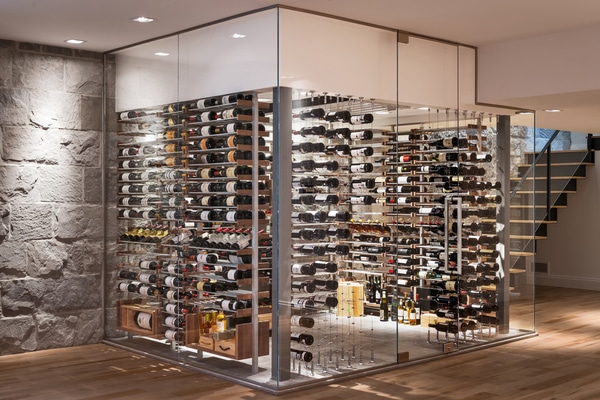
Finally, for to keep a wine and to allow it to reveal itself, it is essential to offer it an optimal environment and conditions that take into account humidity, darkness, the position of the bottles, the temperature of the storage room, or the absence of vibrations.
Each wine has its own lifespan, and this definition is so precise that even within an appellation, the different vintages may not present similar optimal shelf lives.
As a general rule, it is established that white wines and the Rosé wines, especially dry wines, have a more limited lifespan, extending between two to three years at most. Sweeter wines, such as sweet wines Thanks to their richness and mellowness, Jura's yellow wines or straw wines can be kept, under good storage conditions, for several decades, up to about fifty years or more for renowned great growths.
As for red wines, the Bordeaux Classified Growths and the Burgundy Grand Crus are the drinks that offer the most high potential for retention. It is not uncommon to see vintage bottles from several decades ago being opened and delighting the palates of the privileged few.
It is difficult, unless one is an eminent connoisseur, to precisely define the peak period of a wine which, by its nature, will depend on numerous factors: quality of the harvest, the climate of the vintage year, the grape varieties used…
If you come from’open a bottle of wine and you don't intend to finish it all at once, wishing to enjoy it over several days, you must adhere to certain timelines for tasting so as not to lose quality.
When the cork is removed from a bottle of wine, the beverage comes into contact with the air, which initiates the process of oxidation. The longer you wait before finishing your bottle, the greater the risk of its quality diminishing.
It is estimated that white and rosé wines can be kept for between 5 and 7 days in the refrigerator once opened, while red wines can be preserved in a cool, dry, and dark environment, once re-corked, for a period of 3 to 5 days.
To limit the rapid oxidation of a wine, it is possible to use an air removal system in the bottle. The wine is placed under an air vacuum and its aromas are maintained for longer, even if you shouldn't delay in finishing your nectar. As a general rule, it is not advisable to keep a fine wine open for too long because even if the first stages of oxidation are beneficial for revealing flavours, it quickly becomes harmful to the quality of the wine.
Discover our review of the wine cabinets.