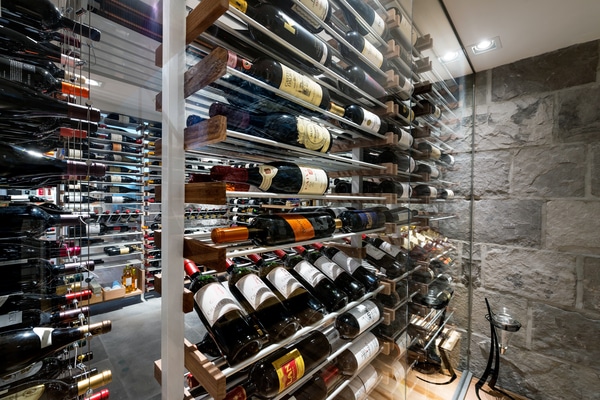
Red wines, white wines, rosé wines, champagnes, sweet fortified wines… not all wine categories are best enjoyed at the same temperature. However, to allow a
conservation optimal and a process
ageing which allow wine to mature over the years, it is important to respect a certain
temperature within your
wine cellar.Ideally, the desired temperature in a
wine cellar it should be a constant 12 degrees, avoiding any variation. In reality, while it's difficult to maintain a cellar's temperature to within a single degree, a range between 10 and 14 degrees is tolerated without harming the ageing and preservation potential of your precious nectars.
How does poor storage temperature affect wine?
Among all the conditions a wine cellar worthy of the name must meet, maintaining an ideal temperature is certainly the most important criterion, along with the humidity level.
A wine stored in an environment that is too warm will age much more rapidly and will not give the tannins time to mature. You will then have a high chance of opening and tasting a bland wine, far from your expectations, or even discover that the wine has turned.
The
Storage temperature too high will directly translate to the aromas of the wines with a sensation of cooked fruits or caramelisation. Damage can also be revealed on the cork, which dilates and exposes the wine to the risk of oxidation, rendering it unfit for consumption.
On the other hand, if the temperatures in your wine cellar are too cold, you risk seeing the maturation of your wines stop and getting no benefit from letting it age, quite the contrary.
At what temperature should wine be served?
When it comes to wine cellars, it's important to distinguish between different ways of arranging your spaces according to your objectives. Thus, a
ageing cellar will allow the wine to mature when a service cellar or a wine cabinet will allow bottles to be placed at an optimal temperature for wine tasting.
Millésime Wine Racks offers some expert tips for serving wine at the right temperature:
White wines
- Between 7 and 8 degrees for champagnes, naturally sweet wines and sparkling wines in general.
- Between 9 and 10 degrees for late harvest or sweet Alsatian wines.
- Between 11 and 12 degrees for dry white wines, noble sweet wines, vintage Champagnes or great-growth sweet wines.
- Between 13 and 14 degrees for yellow wines or renowned dry white wines.
- Between 15 and 16 degrees for aged white wines.
Rosé wines
- Between 7 and 8 degrees for rosé champagnes and other rosé sparkling wines.
- 9 to 10 degrees for light rosés, so-called «thirst-quenchers».
- Between 11 and 12 degrees for classic rosés or vintage rosé Champagnes.
- From 13 to 14 degrees for Burgundy rosés, clairet wines or fuller-bodied rosés.
Red wines
- 11 to 12 degrees for fruity red wines.
- Between 13 and 14 degrees for Beaujolais or sweet natural wines.
- From 15 to 16 degrees for Loire, Rhône and Burgundy wines.
- From 17 to 18 degrees for Bordeaux and all other red wines, or for Port-style wines.
- Up to 19 to 20 degrees for grand crus, more elaborate wines, or great vintages.